Astrology learning guide
Top 3 ways to learn astrology in 2026
Learning astrology in 2026 is hard because there is too much material competing for attention: videos, apps, books, forecasts, social posts, and chart calculators.
A simpler path is easier to keep: read the right books, listen to astrologers explain their method, and practice inside an app that keeps you working with charts.
01 Books
Start with the right astrology books
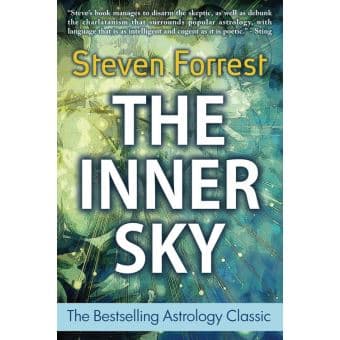
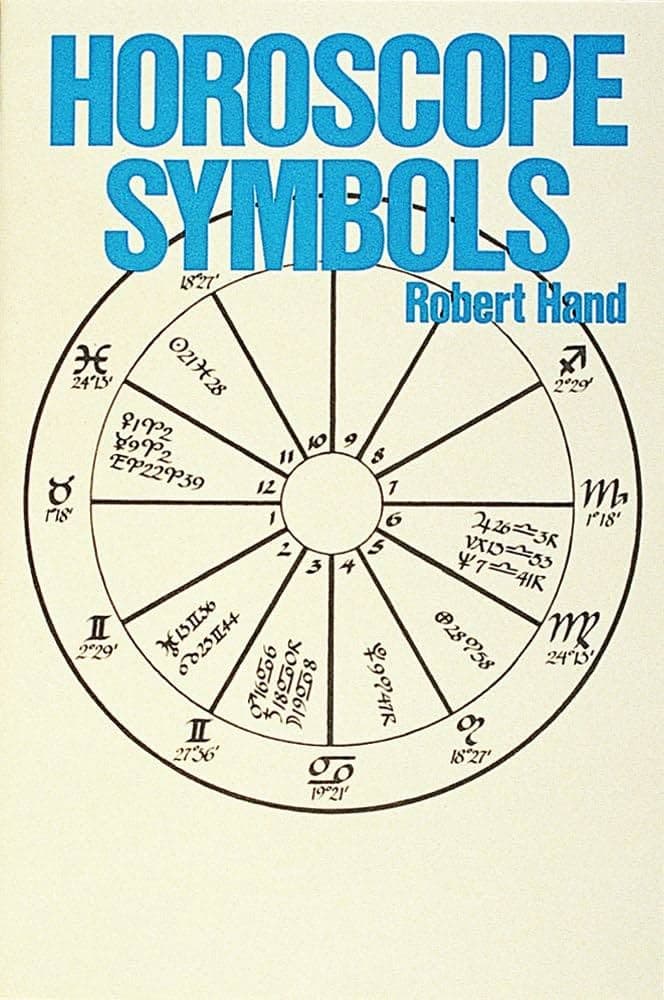
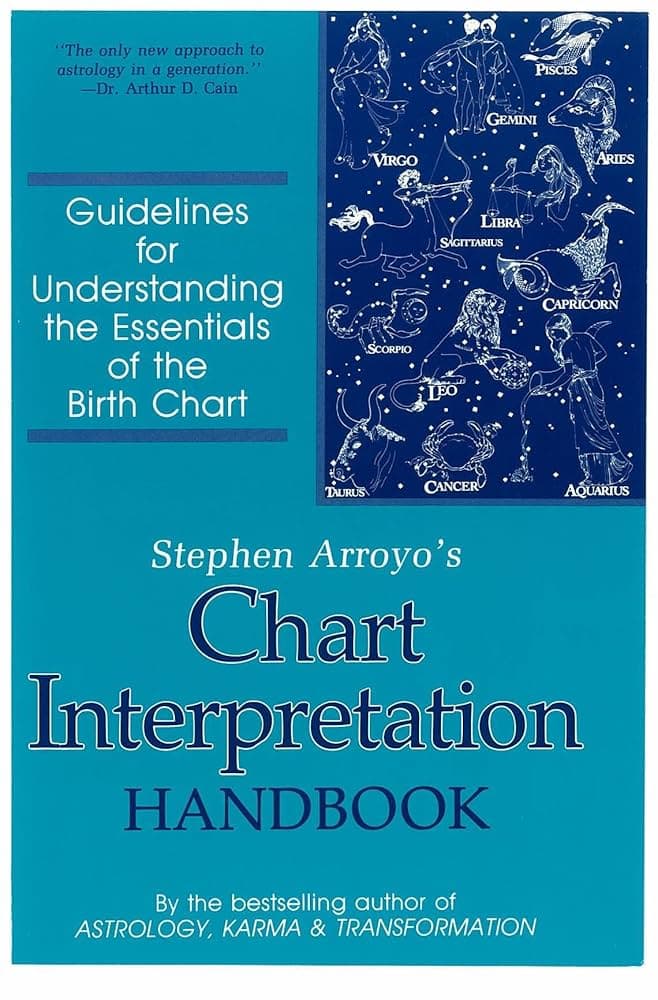
If you want a usable foundation, do not treat books as decoration. Pick one and read it with a chart open. The three below cover the progression most students need: synthesis, symbols, and interpretation.
For a book-only reading order, see the best astrology books for beginners guide.
01
The Inner Sky
Steven Forrest
Best first full read for learning signs, planets, houses, aspects, and synthesis without staying stuck in keyword memorization.
02
Horoscope Symbols
Robert Hand
Best symbol reference for students ready to understand planets, signs, houses, aspects, and points more deeply.
03
Chart Interpretation Handbook
Stephen Arroyo
Best next-step handbook for turning separate chart factors into a readable interpretation.
Intermediate books to add later
Add these when you can already explain signs, planets, houses, aspects, and the basic structure of a birth chart without checking every definition.
01
Hellenistic Astrology: The Study of Fate and Fortune
Chris Brennan
For students ready to understand the roots of Western astrology and traditional technique.
02
Astrology and the Authentic Self
Demetra George
For moving from placement meanings into purpose, timing, vocation, and relationship themes.
03
Astrological Transits
April Elliott Kent
For learning how to compare the current sky with the natal chart in a practical way.
02 Podcasts
Listen to astrologers working through the sky
Podcasts are best used as repeated exposure. Listen for how astrologers reason, not only for what they predict. The useful question is: how did they get from the chart factor to that interpretation?
01
The Astrology Podcast
Chris Brennan
Best for deep technique, history, forecast episodes, and serious long-form learning.
02
Astrology Hub Podcast
Amanda Pua Walsh and guests
Best for hearing different astrologers, lineages, and teaching styles in one feed.
03
Big Sky Astrology Podcast
April Elliott Kent
Best for practical weekly sky updates, Moon timing, and clear transit language.
03 AstroLingo app
Practice what you learn in AstroLingo
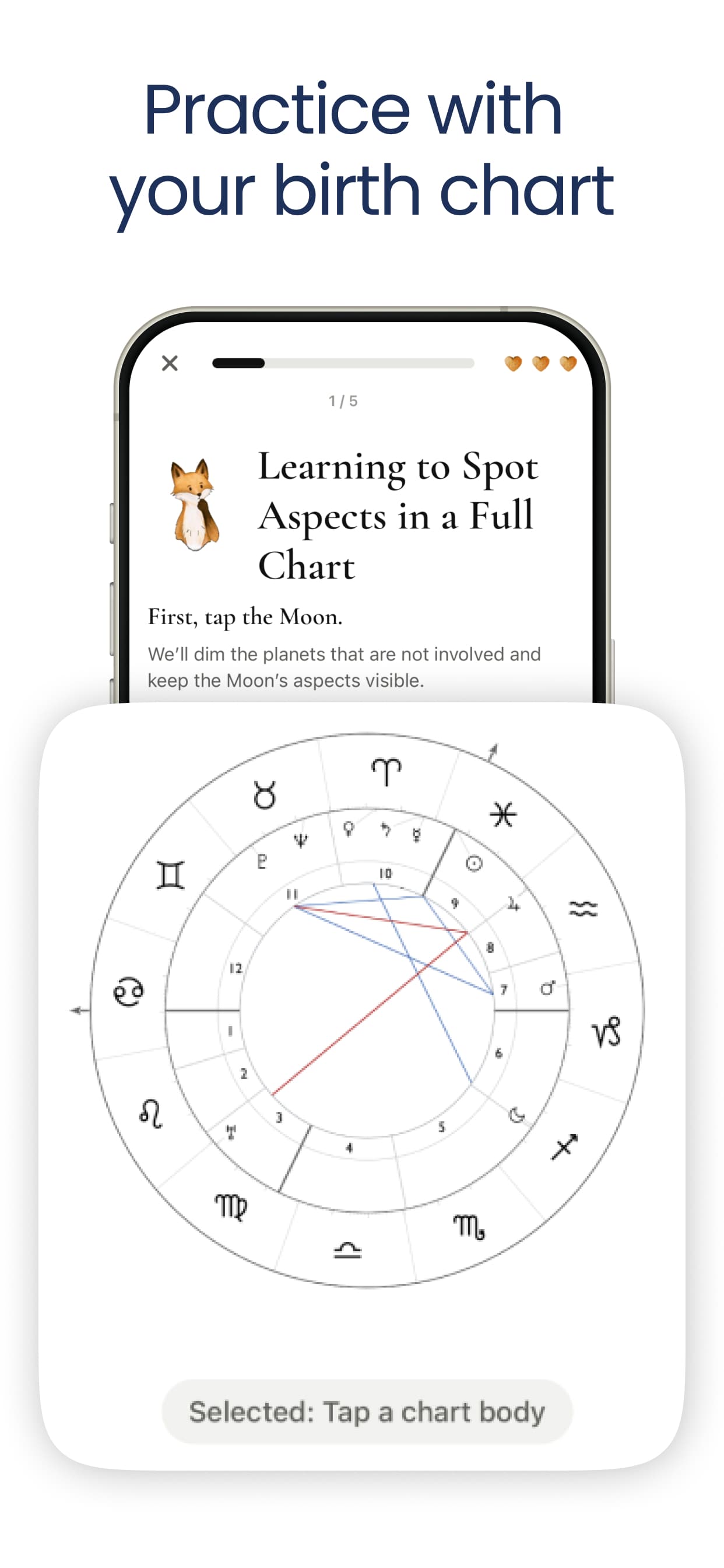
AstroLingo should not be the whole study plan. It is most useful as the practice layer between reading sessions: guided lessons, birth chart exercises, famous chart examples, and a clear beginner path on iPhone.
That matters because most beginners do not struggle with finding another definition of Venus or the 7th house. They struggle with applying definitions inside a chart. A lightweight app habit can help keep that practice regular.

FAQ
Learning astrology in 2026
What is the best way to learn astrology in 2026?
The best approach is a repeatable study loop: one structured path, one core book, one symbol reference, one podcast habit, and weekly chart practice.
Can I learn astrology on my own?
Yes. Self-study works if you keep the sequence clear: signs, planets, houses, aspects, chart structure, then synthesis. Chart practice matters more than collecting resources.
Where does AstroLingo fit into an astrology study plan?
AstroLingo works best as a practice layer: guided iPhone lessons, birth chart exercises, famous chart examples, and a free-to-start beginner path. It should sit alongside books and podcasts, not replace them.
Should I start with books, podcasts, or an app?
Start with whichever one gives you structure. Use books for depth, podcasts for repeated examples, and an app or course for exercises and momentum.
How long does it take to learn astrology?
Basic vocabulary can come together in a few weeks. Reading charts coherently takes months of repetition because synthesis is the real skill.